
027 Four Roles We Play in Workplace Conflict
Nikhil Wadhera joins Metsy and J to explore four workplace conflict roles and how product and UX professionals can turn silence, tension, disagreement, and directness into healthier collaboration.
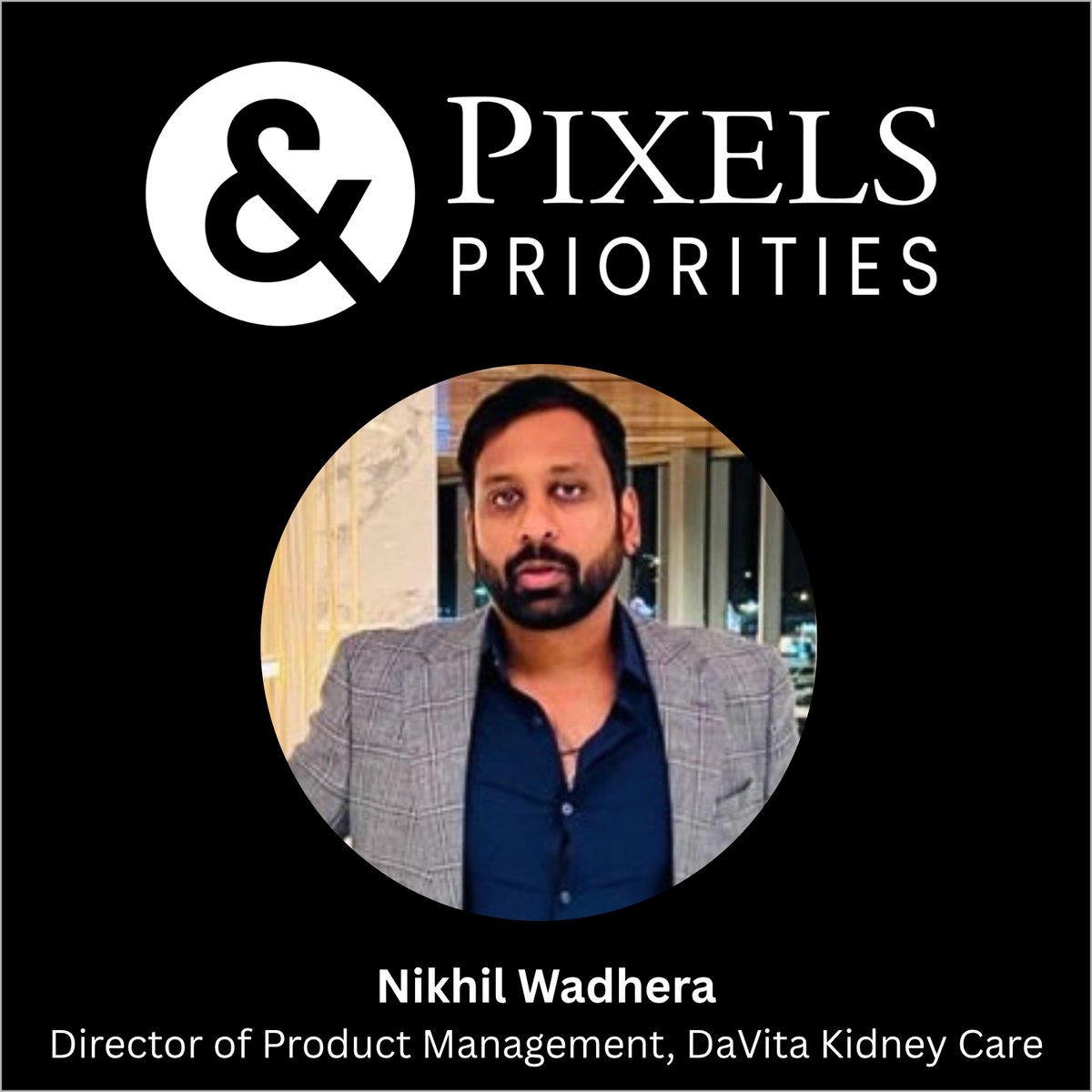
🎧 Listen to this episode on Apple Podcasts, Spotify, or your favorite platform.
Conflict is built into product and design work.
We disagree about priorities. Engineering sees a risk product missed. Research challenges an assumption everyone was ready to act on. A stakeholder wants one direction while the team believes the evidence points somewhere else.
Yet many of us still enter those moments believing successful collaboration means getting rid of the tension.
Our conversation with Nikhil Wadhera asks us to think differently about that.
The useful question may not be, “How do we get rid of conflict?”
It may be: What kind of conflict are we creating, and what role am I playing in it?
Drawing from ideas we discussed from Amanda Ripley’s High Conflict and The Conflict Playbook, we explored four roles that tend to appear when tension rises: the avoider, mediator, fighter, and conflict entrepreneur.
None of us fits neatly into one box. I certainly don’t. The role I play can change depending on the room, the stakes, the people involved, and how passionately I feel about the issue.
That flexibility may be the secret sauce.
Silence Is Still a Decision
The avoider sees conflict as dangerous.
When a conversation becomes uncomfortable, they may go quiet, step back, change the subject, or agree publicly even when they have concerns.
For our work, that silence can become expensive.
Nikhil described relying on engineering partners to challenge assumptions while he was discussing roadmaps with stakeholders. When people withheld concerns in the meeting, he sometimes discovered the problem only after commitments had already been made.
His first instinct was understandable: Why didn’t you tell me?
Then he changed the question.
“When they understand the impact, then I say, ‘What is the right way for me to approach you?’” — Nikhil Wadhera
That is a much more interesting leadership move.
Sometimes the person we label an “avoider” has useful information but does not feel comfortable delivering it in the environment we created. A crowded stakeholder meeting might shut someone down while a one-on-one conversation gives them room to be candid.
For product managers and UX leaders, the practical takeaway is not simply “make people speak up.”
It is to ask whether we have created conditions where speaking up feels possible.
Harmony Can Become Its Own Form of Avoidance
I often find myself in the mediator role.
As a consultant, part of my job is helping people move through disagreement toward something useful. Mediators can create connection, lower the temperature, and help people hear each other.
Those are valuable skills, yet they also have a shadow side.
Nikhil pointed out that mediators can rush toward compromise because the fractured feeling of the group is uncomfortable. The tension disappears, yet the issue underneath it remains.
That is why one thought kept surfacing during our conversation:
“Don’t chase the harmony. Allow the productive tension.” — Metsy Rose
Not every uncomfortable meeting is a broken meeting. Sometimes the discomfort is evidence that the team has finally reached the real issue.
Research may contradict the roadmap. Design may be challenging a business assumption. Engineering may be raising a constraint nobody wants to acknowledge.
A mediator’s job in those moments is not necessarily to make everyone happy again.
Our job may be to make the disagreement safe enough to continue.
Directness Is Valuable Until Winning Becomes the Goal
Then there is the fighter.
Fighters are often willing to say what other people are thinking. They confront issues directly, hold their ground, create clarity, and push for accountability.
Nikhil captured the upside well:
“At their best, fighters are incredible advocates to ensure that tough truths are spoken.” — Nikhil Wadhera
Product and design teams need people willing to say the hard thing.
We need someone to challenge the unrealistic timeline, question the unsupported assumption, or point out that the experience we are shipping does not actually solve the customer’s problem.
The danger arrives when disagreement becomes a zero-sum contest.
When being right becomes more important than understanding, healthy conflict shifts toward high conflict. People stop investigating the problem and start defending themselves.
J talked openly about knowing he can have a large presence in a room. His point was not that directness is bad but that self-awareness matters.
Tone matters. Timing matters. Relationships matter.
The same statement can open a conversation in one room and shut it down in another.
The Most Important Question May Be: Who Benefits?
The fourth role was new language for both J and Nikhil: the conflict entrepreneur.
A conflict entrepreneur does not merely participate in disagreement. They benefit from keeping it alive.
J made an important distinction:
“I think what makes the difference between a fighter and a conflict entrepreneur is their agenda.” — J Schuh
The behavior of those two styles can initially look similar.
Both may arrive with strong opinions, data, or allies. The fighter, at their best, wants the issue addressed. The conflict entrepreneur benefits when the factions remain divided.
For product and design professionals, this is where our research instincts become surprisingly useful.
Get curious. Verify facts instead of accepting a simple narrative. Look for complexity.
Notice when people are being recruited into sides.
Then ask who benefits if the disagreement keeps escalating.
Most importantly, resist being pulled into someone else’s version of the story before you understand the larger system.
Healthy Conflict Requires Range
A vital reminder is that none of the first three roles is inherently bad.
- Avoiders can bring restraint.
- Mediators can bring empathy.
- Fighters can bring accountability.
The problem appears when one instinct becomes our only move.
- An avoider who never speaks leaves risks hidden.
- A mediator who always restores harmony can bury important truths.
- A fighter who always pushes can turn disagreement into a battle.
And a conflict entrepreneur shows us what happens when continuing the conflict becomes more important than solving the problem.
For those of us working in product management, UX design, research, engineering, and leadership, adaptability matters because our work happens in a messy human system.
We need enough self-awareness to recognize what the moment requires.
Sometimes we need to speak when we would rather stay quiet.
Sometimes we need to let tension breathe instead of smoothing it over.
Sometimes we need to be more direct.
Sometimes we need to stop arguing long enough to become curious again.
Questions for Reflection
- When conflict appears, which role do you tend to move toward first?
- What conditions make people on your team more likely to speak honestly?
- Is there a disagreement your team has “resolved” that may actually have been buried?
Key Takeaways
- Healthy teams do not eliminate conflict. They learn how to use it productively.
- Silence can create just as much risk as confrontation.
- Mediation is most useful when it creates understanding without forcing premature agreement.
- Directness creates clarity when it is paired with curiosity and self-awareness.
- Strong collaborators can borrow strengths from different conflict roles instead of relying on one default response.
Final Thoughts
Near the end of our conversation, I asked:
“When conflict shows up in your life, which role do you naturally play? And what would happen if you borrowed a strength from one of the other roles?”
Product and design work asks us to navigate conflicting needs constantly: customer and business, speed and quality, feasibility and ambition, certainty and experimentation.
The answer is probably not becoming better at avoiding those tensions.
It is becoming better at staying curious inside them.
Listen to Episode 027 of Pixels & Priorities with Nikhil Wadhera, then tell us: Which conflict role do you recognize most in yourself?
– Metsy
Co-host, Pixels & Priorities
Stay Connected
🎧 Listen to new episodes every Tuesday on Apple Podcasts, Spotify, or your favorite podcast platform. Please leave us a rating, submit a review, and share with a friend. It helps more people find the show and join the conversation.
Connect on LinkedIn: Metsy Rose | J Schuh | Pixels & Priorities